

Home > Company News
No. Symptoms, disease extent, and response to medical therapy guide the plan. Many patients first use saline irrigation and an intranasal corticosteroid. Surgery is discussed when appropriate therapy does not adequately control blockage, smell loss, or recurrent sinus disease, or when tissue is needed to clarify the diagnosis.
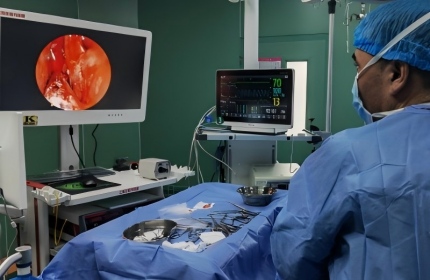
Most endoscopic sinus surgery is performed through the nostrils without a facial incision. A different approach may be needed for a special tumor, complex complication, or unusual anatomy, based on imaging and specialist review.
More extensive surgery is usually performed under general anesthesia, so the procedure is not felt. Congestion, mild pressure, and blood-stained drainage may occur afterward, and pain relief is provided as appropriate. Worsening pain with fever or eye symptoms requires reassessment.
No. The decision to use absorbable hemostatic material or nasal packing depends on bleeding, surgical extent, and clinical judgment. Nonabsorbable packing must be removed by medical staff at the planned time and should not be pulled out by the patient.
Smell may improve after mechanical obstruction is relieved, but recovery depends on disease duration, inflammatory type, olfactory nerve function, and postoperative control. Early swelling and crusting can also temporarily reduce smell, so a fixed recovery time or complete restoration cannot be promised.
Yes. Nasal polyps are associated with chronic inflammation. Asthma, aspirin-exacerbated respiratory disease, and eosinophilic inflammation may increase recurrence risk. Continuing prescribed nasal medication, saline care, and endoscopic follow-up helps reduce that risk.
Hospital stay and recovery depend on surgical extent, anesthesia, medical conditions, and local practice. Some patients leave after a short observation period, while complex surgery requires longer monitoring. Return to work and exercise should follow the surgeon's advice rather than a universal number of days.
• Persistent heavy fresh bleeding, repeated swallowing of blood, dizziness, or weakness.
• Reduced or double vision, or progressively increasing swelling around the eye.
• Severe headache with neck stiffness, persistent high fever, or continuous watery drainage from one side of the nose.
Medical Disclaimer
This article is for health education and web-content reference only. It does not replace an in-person medical assessment, diagnosis, or treatment. Surgical candidacy and the treatment plan must be determined by qualified ENT professionals.

+86-13167065777
Building 5A, No. 9628, Hunan Highway, Pudong New Area, Shanghai, China
 Links:
Shanghai Shiyin Photoelectric Instrument Co.,Ltd. All Right Reserved
