

Home > Company News
Nonallergic rhinitis often causes obstruction or clear watery discharge. Cold air, air conditioning, temperature change, smoke, fragrance, cleaning-product odors, exercise, or spicy food may trigger symptoms. Itching and repeated sneezing can occur but are often less prominent than in classic allergic rhinitis. The condition is common in adults and can overlap with allergy.
• Repeated viral colds often include sore throat, fatigue, and a limited course; not every infection is chronic rhinitis.
• Prolonged use of a topical decongestant can cause medication-induced rhinitis and temporary worsening when it is stopped.
• Persistent purulent discharge, facial pressure, and reduced smell require assessment for chronic rhinosinusitis.
• One-sided obstruction, bleeding, or unusual discharge warrants endoscopic evaluation for structural disease or a mass.
A negative allergy test only means that the tested systemic sensitization was not demonstrated. It does not complete the diagnosis by itself. Medication history, workplace exposure, hormonal change, and nasal examination also matter.
Reducing tobacco smoke, strong odors, and abrupt temperature exposure may help. A mask can warm inhaled air during cold weather, and indoor air should not be excessively dry. Saline spray or irrigation can clear secretions but does not replace treatment directed at the dominant symptom. Long-term workplace exposure to dust or chemicals deserves occupational assessment and appropriate protection.
• For prominent obstruction and mucosal inflammation, a clinician may recommend a sustained trial of an intranasal corticosteroid.
• For sneezing or mixed symptoms, an intranasal antihistamine may help some patients even without allergy.
• For profuse watery discharge, intranasal ipratropium may be considered, although it offers limited relief of obstruction.
• Oral decongestants can affect blood pressure, heart rate, and sleep and are unsuitable for some patients.
Some topical decongestants open the nose quickly, but prolonged continuous use can make the mucosa swell more as the effect wears off. Management usually involves stopping or tapering the responsible product under clinical guidance and using another anti-inflammatory plan during the transition. Temporary worsening after withdrawal is not a reason to double the dose independently.
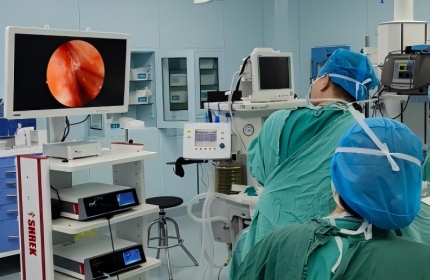
For long-standing severe discharge or obstruction that persists despite appropriate medication and a secure diagnosis, a specialist center may discuss posterior-nasal-nerve treatment, turbinate procedures, or surgery for structural obstruction. Long-term evidence, complications, and availability differ among techniques. Dryness, bleeding, altered sensation, or recurrent symptoms can occur. The goal is better symptom control and quality of life, not a promise of permanent cure.
/ Medical Disclaimer
This article is for health education and web-content reference only. It does not replace an in-person medical assessment, diagnosis, or treatment. Rhinitis classification, medication, and any procedural decision must be individualized by qualified healthcare professionals.

+86-13167065777
Building 5A, No. 9628, Hunan Highway, Pudong New Area, Shanghai, China
 Links:
Shanghai Shiyin Photoelectric Instrument Co.,Ltd. All Right Reserved
